TRIP

Terimbere Rural Integrated Partnership

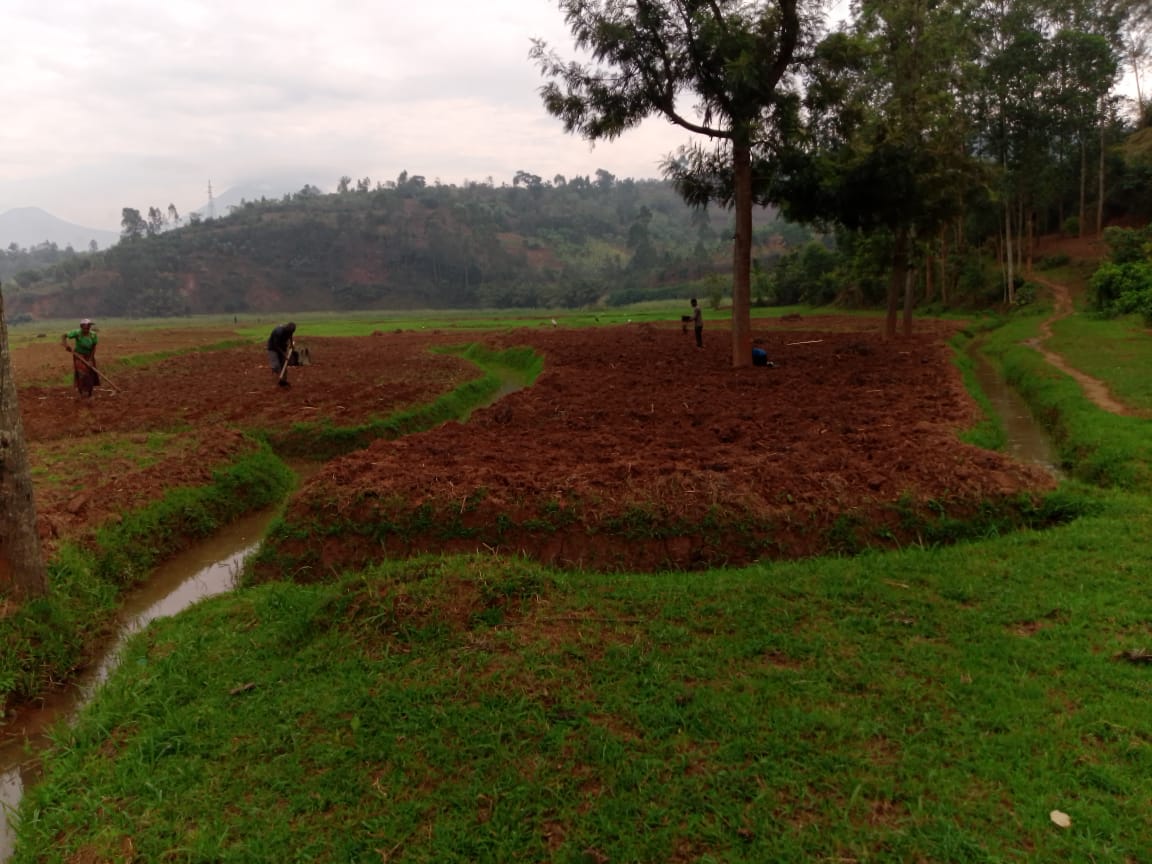
Supporting rural families through sustainable kitchen-garden farming that improves nutrition, boosts household resilience, and strengthens community livelihoods.

TRIP

Terimbere Rural Integrated Partnership

Advancing rural development by integrating education, agriculture, and entrepreneurship in underserved communities across the region.

TRIP

Terimbere Rural Integrated Partnership

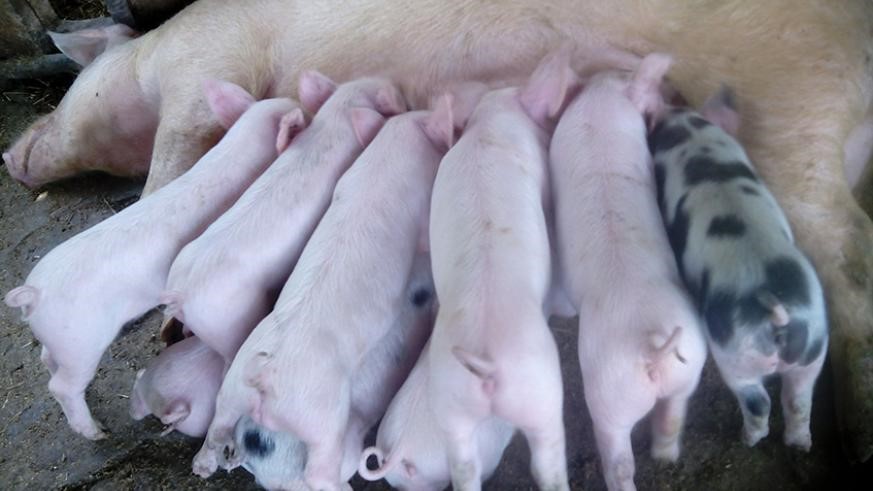
The pig farming project provides vulnerable families with training, breeding stock, and long-term support to build sustainable income sources.

TRIP

Terimbere Rural Integrated Partnership

Our mission is to build climate-resilient agricultural systems that protect the environment while feeding future generations with dignity.

Support Children's Education in Rwanda

Help vulnerable children supported by TRIP pursue their primary and secondary education and unlock their full potential.

Donate

Together we can contribute to sustainable rural development

According to the results from the fifth Population and Housing Census (PHC) conducted in 2022 Rwanda’s population was 13,246,394 and 72.1% of them are still living in rural areas; many of them living in poor conditions. The Government of Rwanda in partnership with different development partners are implementing different initiatives to promote rural development

TRIP NGO ,is committed to fight against poverty and ensure decent life. It ensures Human Security in rural areas and promotes inclusive community development mostly based on families and Community self-resilience and cooperative development , Education and family well being, climate change action and environment protection and Market-oriented farming.

learn more

TRIP: Empowering Vulnerable Students Through Education

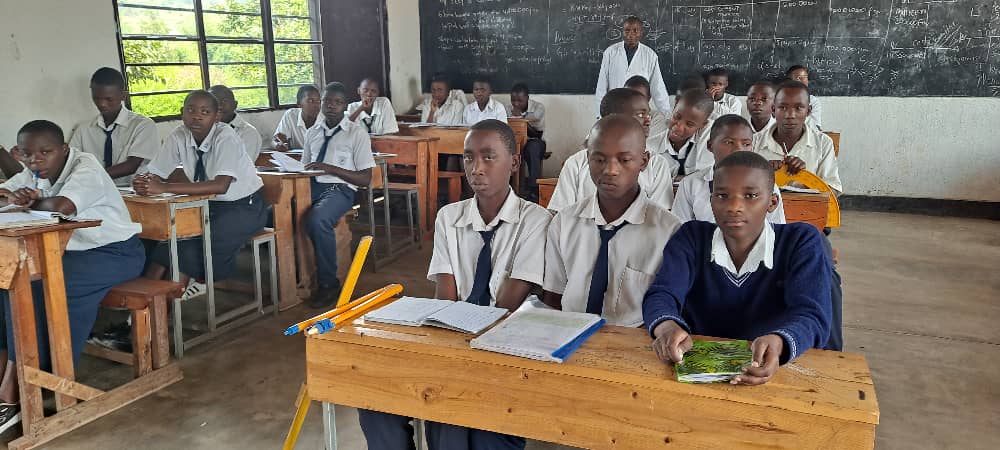
In Rwanda, the journey to education can be a significant challenge for many students, particularly those from the most vulnerable families. TRIP (Terimbere Rural Integrated Partnership) is a dedicated organization that addresses this critical issue by providing school fees to secondary-level students from disadvantaged backgrounds. Through its comprehensive approach, TRIP not only supports educational needs but also fosters a sense of hope and opportunity among these young individuals.

TRIP’s mission is rooted in the belief that education is a fundamental right and a powerful tool for breaking the cycle of poverty. Beyond financial assistance, TRIP’s program includes mentorship and tutoring services, which are essential components of their holistic support system. Mentors provide guidance, encouragement, academic support and different training about Non-violance and child’s rights , helping students navigate the complexities of secondary education. Moreover, TRIP’s initiatives extend beyond individual student support. The organization works closely with local communities,Local administration and religious leaders to raise awareness about the importance of education and to promote inclusivity. .

learn more

What We do

Our main objective is to contribute to the improvement of socio-economic conditions of people in the intervention zone.

To increase food security, improve maternal and child nutrition and enhanced household incomes

learn more

To promote the local, national and regional market in order to generate monetary income at the household level of the target groups.

learn more

To introduce new approaches in order to support the community initiatives in social and governance pillars especially in education sector

learn more
BIZIMANA Venuste a TRIP Officer inspecting pigs

Our Impacts

Check out our impact on the rural society and how we help people in our operation areas

Our Impacts

Our Projects

TRIP supports Modern Agriculture

The current economy of Rwanda is based mostly on agriculture and its value chains. The agriculture sector has remained pivotal in improving the livelihoods of Rwandans and sustaining the country’s economy. The agricultural sector currently accounts for 25% of the national Gross Domestic Product (GDP).

Rwanda’s agriculture sector has enjoyed an annual average growth of 5% over the last fifteen years, while the country’s GDP per capita per year increased from US$ 441 in 2007 to US$1,004 in 2022

Because of its high rate of demography population (2.3% over the last ten years, lands became insufficient for extensive agriculture. Researches show that the mean arable land for households is about ¼ Ha. For this reason, farmers are encouraged to practice Modern and professional and climate resilient farming which gives living and market production. The Comprehensive Food Security and Vulnerability and Nutrition Analysis Survey (CFSVA 2021) revealed that 20.6% of our population faces food insecurity, and although there has been a decrease in stunting rates from 34.9 % in 2018 to 32.4 % in 2021, it remains a concern.

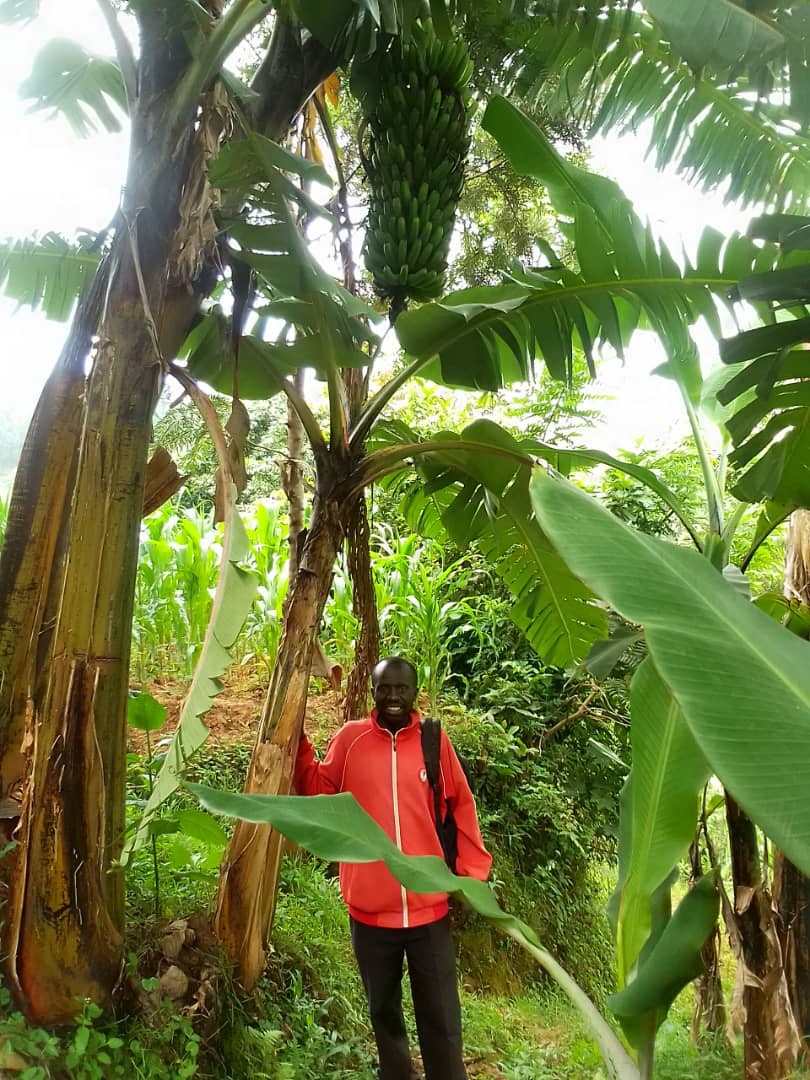
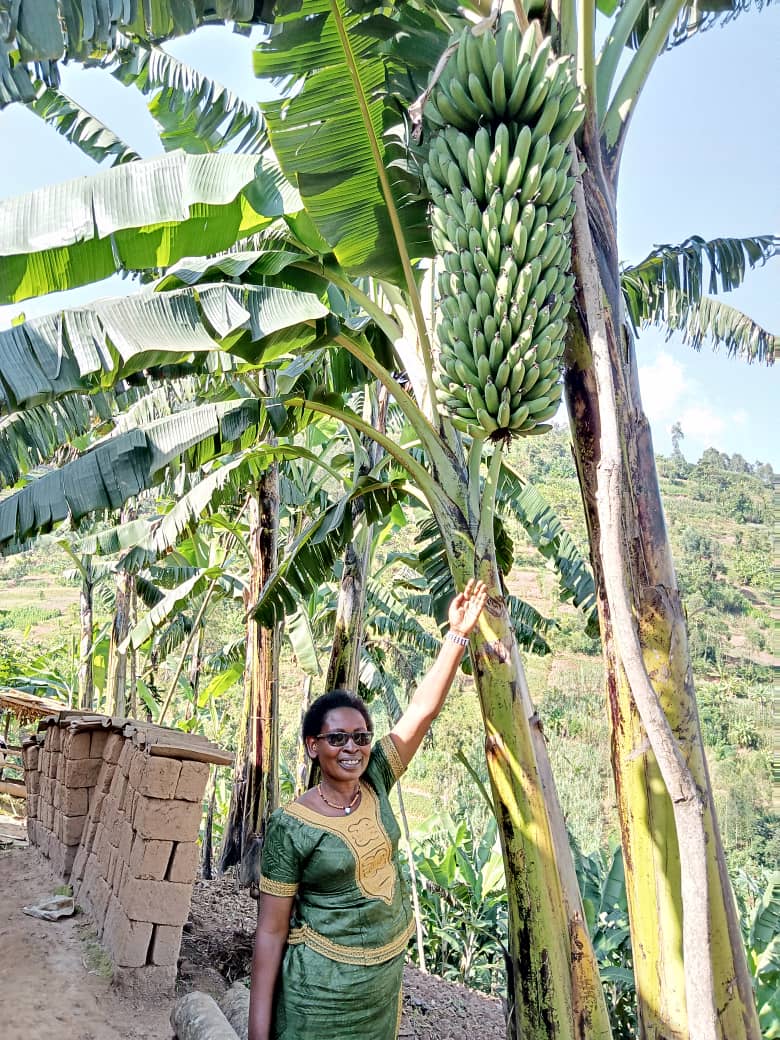
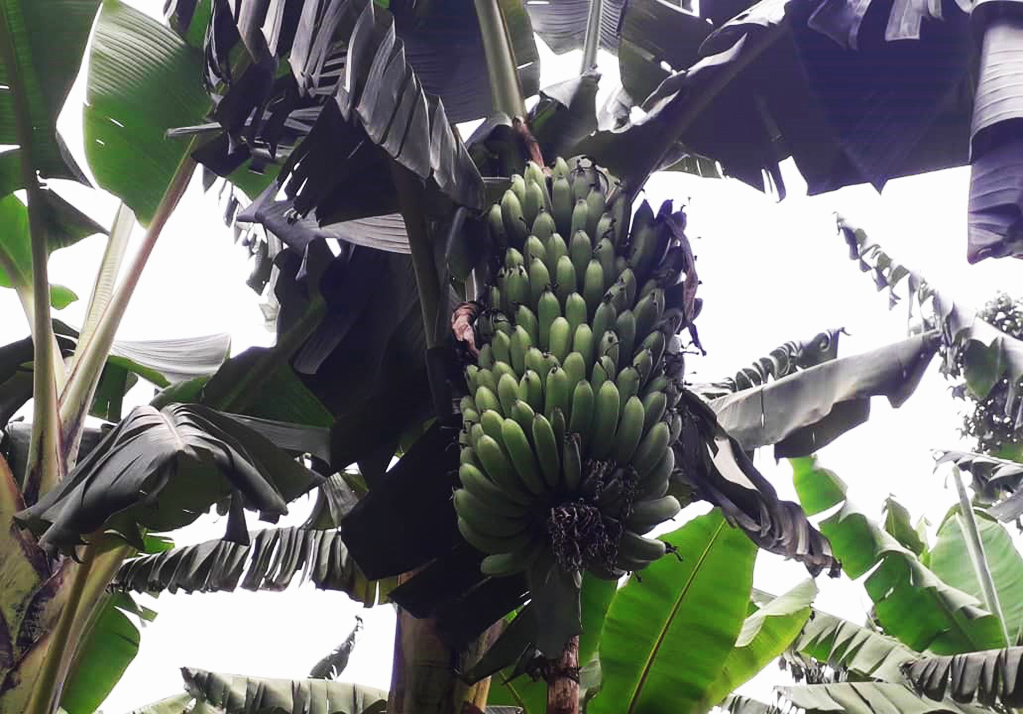
Banana plantations are more popural in Rwandan country life

TWITEZE IMBERE MU BUHINZI PROJECT

We promote modern agriculture to rural communities by improving productivity, livelihoods, food security, environmental sustainability, and community development In this context,

TRIP organizes trainings, field trips, and modern agriculture competitions for its partner communities.

read more

TWITEZE IMBERE MU BWOROZI BW’INGURUBE PROJECT

Pig production or hog farming is a farm of livestock keeping that does not necessarily require access to agricultural land and has therefore gained importance in the growing.

Targeted people benefit financially from pig farming, it helps them to develop themselves (...)

read more

News and Events

On April 16, 2026, a monitoring visit was conducted to a TRIP beneficiary who received a pig and is a member of the Twikure Mubukene Mutoyi group. The visit aimed to review progress in agriculture, livestock care, and participation in community development activities.

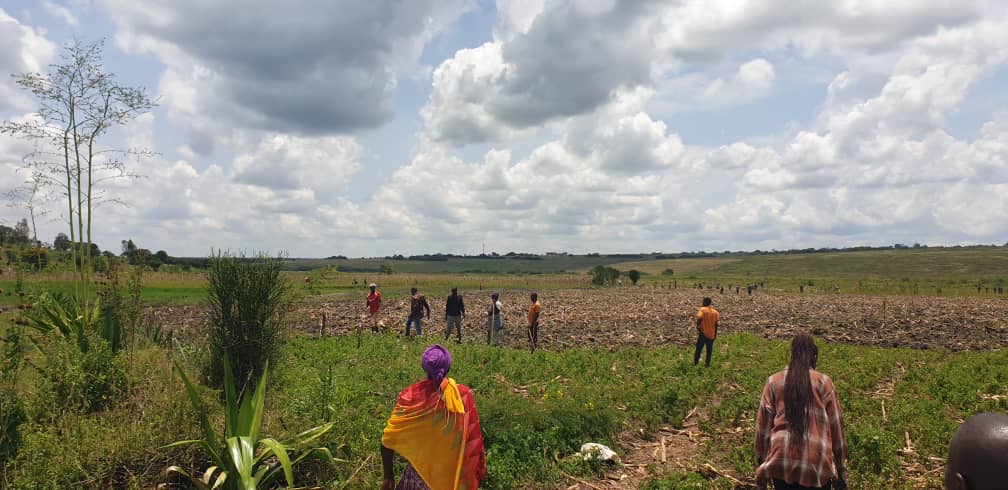
During the visit, the beneficiary was found harvesting beans. It was observed that he had produced quality bean seeds, reflecting commitment to good farming practices and improved crop production methods.

Bean harvesting by TRIP beneficiary

The pig provided through TRIP support was also inspected and found to be in good condition. The pigsty was clean, and the beneficiary continues to manage the animal responsibly through proper feeding, hygiene, and regular care.

Pig owned by TRIP beneficiary

In addition, the beneficiary remains active in the group and regularly participates in meetings and collective initiatives. This demonstrates strong engagement in community-based programs supported by TRIP.

Community participation and beneficiary activities

During the discussion, the beneficiary was encouraged to continue serving as a role model for others by maintaining progress and introducing new ideas. He was also advised to begin preparing for payment of the 2026–2027 community health insurance (Mutuelle de Santé).

TRIP field monitoring visit

Overall, the visit was successful and confirmed encouraging progress in farming, livestock management, and social participation among TRIP beneficiaries.

18 Apr, 2026
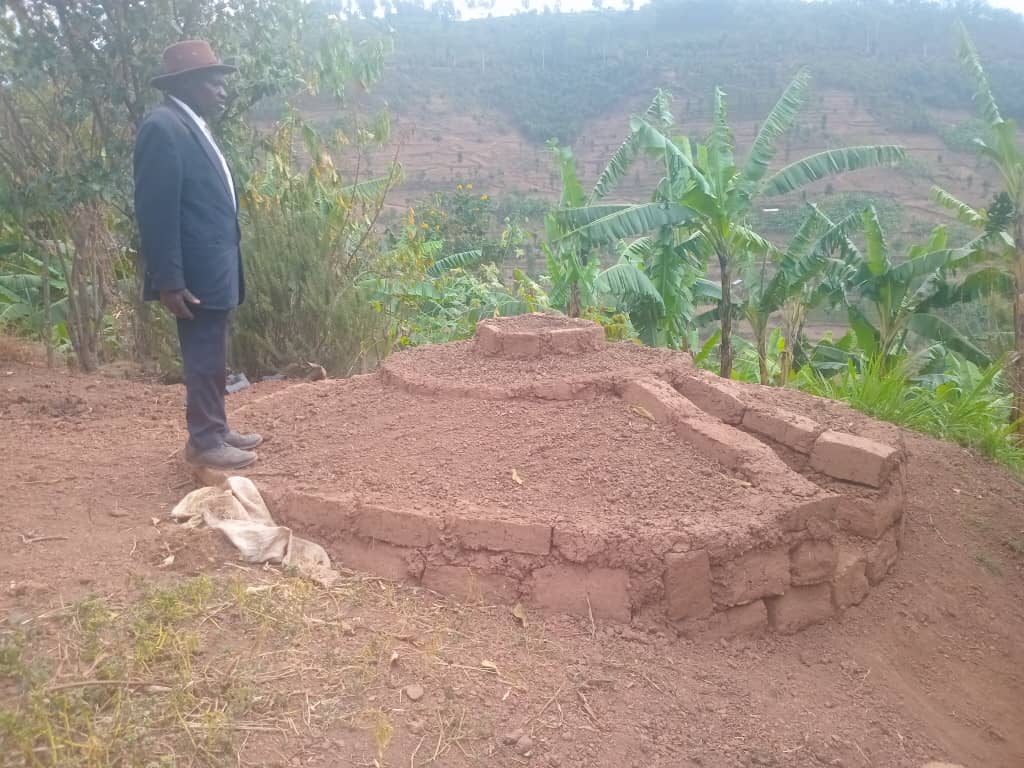
On April 13, 2026, a field visit focused on pig breeding progress and newly rehabilitated kitchen gardens within the Twikure Mubukene Mutoyi group, highlighting ongoing agricultural development activities.
14 Apr, 2026
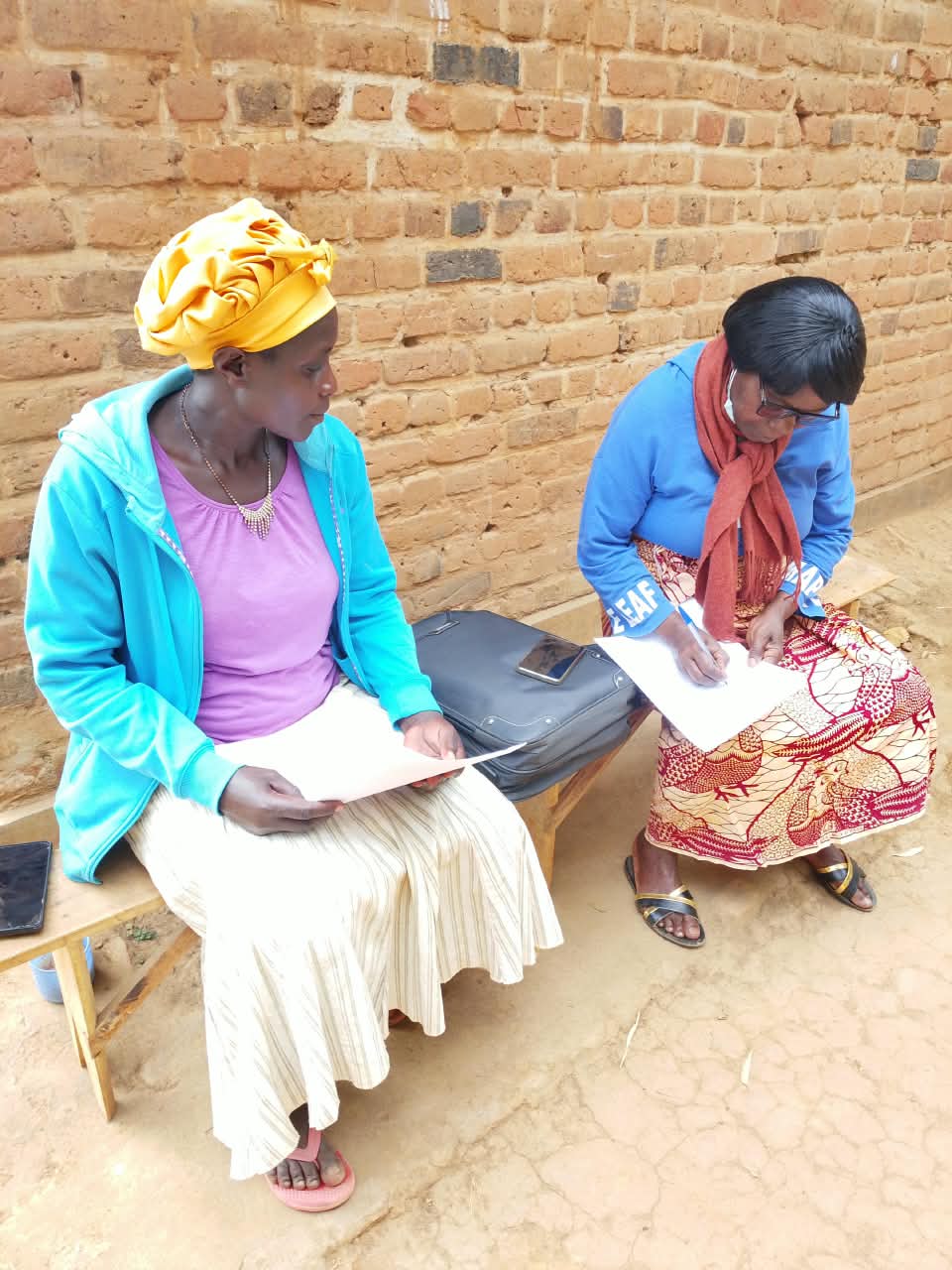
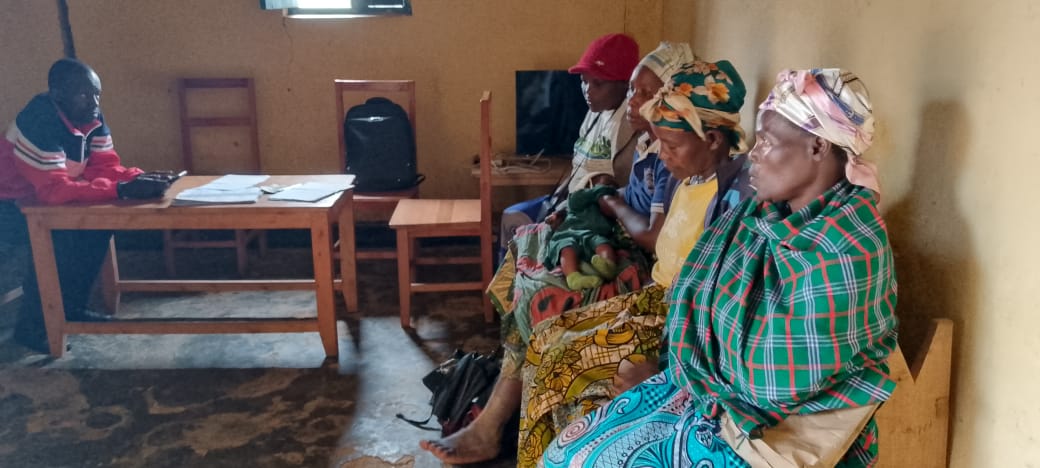
On April 10, 2026, the Tuzamurane group held a committee meeting to review group operations, address challenges, and improve coordination among members.
10 Apr, 2026